October 26, 2026
What is a reference site in supplier sourcing?
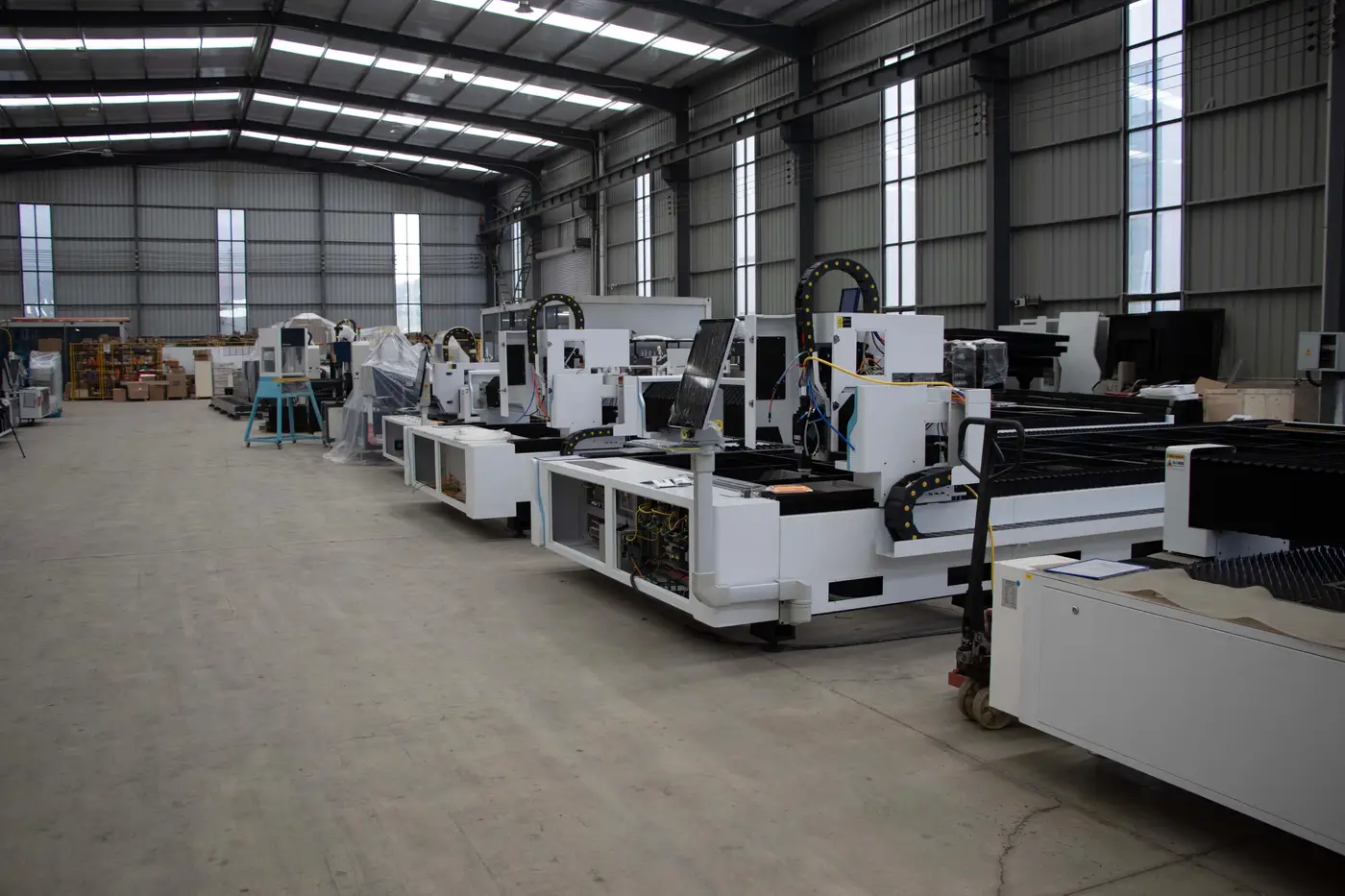
When a sourcing team talks about a "reference site," they mean something specific: the one plant in your current supply base that already works. It's the facility you'd point to and say "find me more of this," the physical site that does the job correctly, at the volume you need, with logistics that don't add three weeks to every shipment.
Most sourcing teams use the term loosely in meetings and never write it down. That's where dual-source projects lose time. If nobody has pinned down what "like our current supplier" means in concrete, physical terms, every candidate that comes in from a directory search or a trade-fair conversation gets judged against a vague mental image instead of a real baseline.
Why a reference site matters more than a spec sheet
A spec sheet tells you what a supplier claims to produce and to what tolerance. It doesn't tell you anything about the plant itself: how big the yard is, whether there's rail access or just a single truck gate, how the site sits relative to a port or a border crossing, whether the facility looks like it's running one line or six.
For a second-sourcing project, those physical details often matter as much as the certifications. A supplier with the right paperwork but a cramped single-access site in a congested industrial zone is a different risk profile than one with open yard space and a rail spur, even if both tick the same compliance boxes. The reference site is what lets a sourcing team say "we want this kind of operation," not just "we want this kind of product."
What goes into a reference supplier site plan
A reference supplier site plan is the working description of that baseline, written down so it can be compared against candidates instead of remembered. At minimum it covers:
- Plant type and process (what happens on site, separate from the product category on the label)
- Approximate scale (footprint, number of buildings, yard size)
- Logistics access (rail, port proximity, highway access, border distance)
- General layout (single consolidated site versus a campus of multiple buildings)
Some teams build this plan from a site visit report. Others reconstruct it from whatever documentation the current supplier has shared, plus a look at the facility on a map. Either way, writing it down turns "we want another supplier like X" into a checklist a sourcing analyst, a consultant, or a search tool can run against a region.
Using the baseline plant for second sourcing
Once you have that plan, the second-sourcing question becomes a matching problem instead of a cold search. Instead of pulling a directory of manufacturers in a target country and reading through profiles one by one, you're asking which sites in that region physically resemble the one you already trust.
That's a different exercise than reading supplier websites. A directory listing tells you a company exists and makes a claim about what it does. It doesn't tell you the plant is the right size, or that it sits near the rail line you'll need, or that the layout even resembles a manufacturing site versus a warehouse with a sign on it. Sourcing teams that skip this step often end up qualifying candidates that look fine on paper and turn out to be the wrong scale or stuck in a logistics dead end once a site visit actually happens.
This is the gap a tool built around comparing physical sites directly is meant to close: start from the reference supplier's own site, and search a target region for places that resemble it in plant type, scale, and logistics access, before anyone books a flight.
If your dual-source shortlist is still starting from a directory instead of your own reference site, Sourcing Candidate Search is built to flip that order.