Find the plant that looks like the one you already trust.
A shortlist of sites in your target region that resemble your reference supplier on the ground, built before the RFP goes out.
- GSD
- High-res / 0.5–2 m
- Cadence
- Annual
- Platform
- High-res satellite
- Spectral
- Multispectral
R Reference site
C Candidate 01
Where a second-source search starts now
Someone upstairs has flagged that one supplier carries too much of a category, and you have been asked for a second source. So you open the directory: a supplier database, the exhibitor list from the last trade fair, or the pile of RFI responses from two years ago. You filter by country and process and end up with a longlist of company names.
A name tells you very little about the plant behind it. Is it a shop floor under one roof or a campus? Does it sit near the freight lines your volume needs? Is it anywhere near the scale of the supplier you trust? You find that out the slow way, through questionnaires, calls and eventually a visit, and by then the RFI has gone to every name on the list, including the ones that were never going to fit. Your quality engineer ends up reading answers from candidates she could have ruled out by looking at an aerial view.
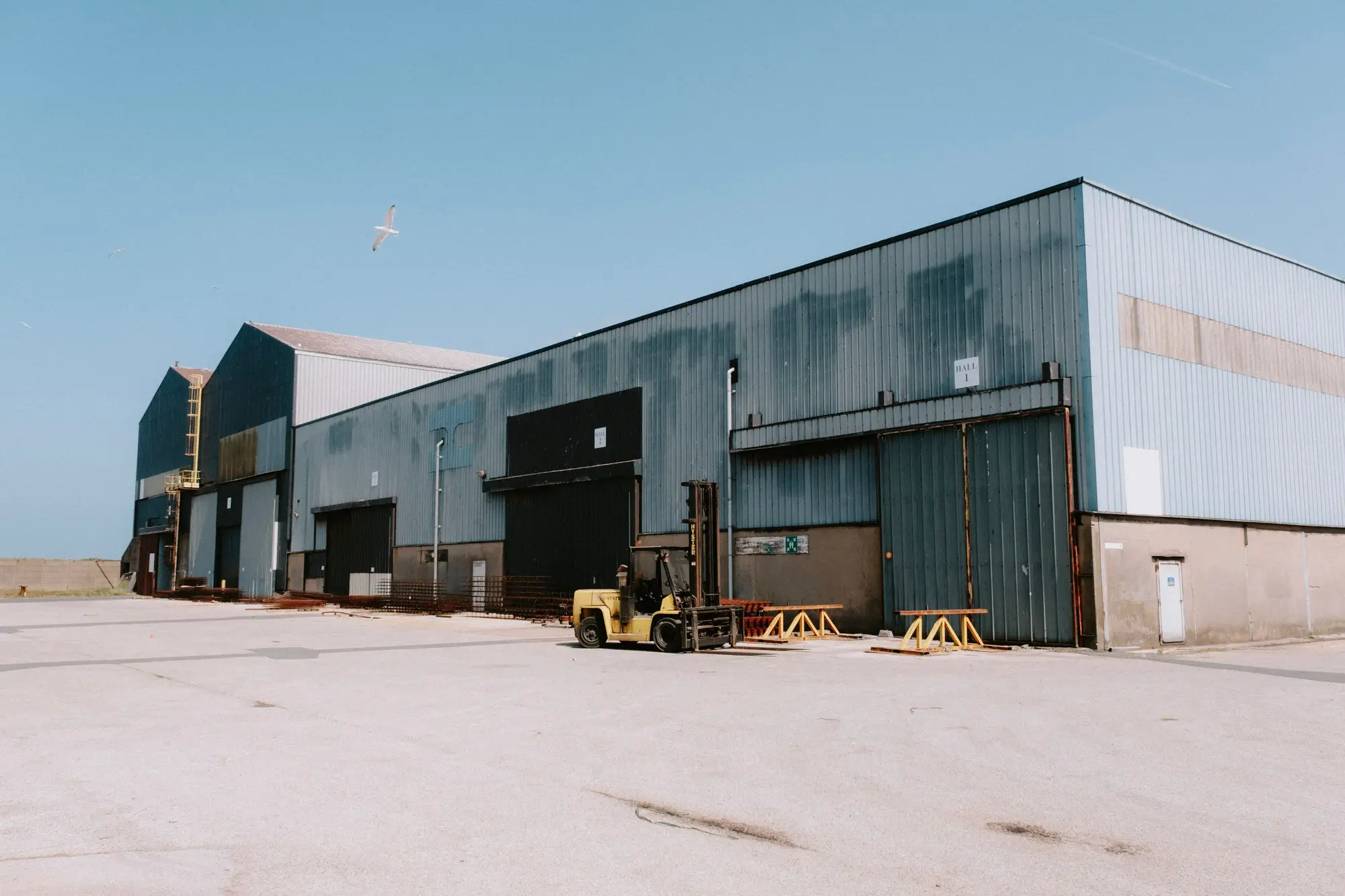
This offer adds one step ahead of the RFI. You name the supplier whose site you trust and the region you want covered, and the longlist starts from sites that look like that one from above.
What comes back
The pilot is meant to return three things.
Ranked shortlist
Spreadsheet or CSV
Candidate sites in your target region, ordered by how closely they resemble your reference site in plant type, scale and logistics access. Each row carries a location you can drop into your supplier longlist or open in a map.
Side-by-side view
PDF
Your reference site and each candidate shown as a pair, so your category manager and quality engineer can judge the fit by eye and rule candidates in or out.
Region scan
One-page summary
Which region was searched and how many candidate sites were reviewed, so the shortlist can be read against the size of the search.
How it works
You name the reference and the region
Tell us the site you trust and the sourcing region you want searched. A street address or coordinates for the reference plant is enough.
We pull current imagery
Current high-res, multispectral satellite imagery across your region.
We search for look-alikes
Sites are screened for a similar plant type, scale and logistics access to your reference.
You get the shortlist
Ranked candidates come back paired with your reference site. After that, qualification is your team's process, same as always.
Where it fits
The shortlist sits ahead of the RFI. Your category team takes it into outreach in place of, or alongside, the directory longlist. The sourcing strategy memo can cite it as the basis for the candidates you contacted. Nothing downstream changes: your questionnaires, audits and sample builds run as before, only on a list that started from physical fit.
If the shortlist turns up a name you already know, good: that is a sign the search is reading the ground the way you would. If it turns up a name you have never heard of, that is the point. Either way the call on who gets an RFI stays with you, and so does the explanation to the business for why one supplier was picked over another.
Limits
N1Physical resemblance is not qualification
A match means a site looks like your reference from above. It says nothing about quality systems, capacity, financial health, certifications or whether the plant can make your part. Your team does that vetting.
N2Resolution sets what we can read
Imagery here resolves a building footprint, a yard and an access road. It does not show what is made inside, what is stored in sheds, or loading dock details. Plant type is inferred from what shows from above, so some calls will be wrong.
N3Annual, not live
Imagery coverage sets the cadence, and the target is one refresh a year. A candidate site that changed since the last pass will not show until the next one.
N4Coverage depends on the region
A region needs current high-res, multispectral imagery. Some places have it, some have older or patchier coverage, and the region check tells you which before you commit.
N5No ranking confidence score
The list is ordered. We do not publish a match percentage, because physical resemblance does not reduce to one honest number.
Who it's for
- Strategic sourcing leads and category managers who need a second source for a part family and want physical fit checked before the RFI goes out.
- Supplier risk teams building a dual-source plan from a supplier already on the approved vendor list.
- Sourcing analysts who now build longlists from a directory by hand.
Who it's not for
- Teams that need a supplier vetted, scored or certified. Qualification is a separate process this does not replace.
- Teams searching on price, capability or lead time. The search reads the site from above and never sees a quote.
- Continuous monitoring of an existing supplier's plant. This is an annual look at a region.
Questions from sourcing and procurement
Does a match mean the candidate is a qualified supplier?
No. A match means the site resembles your reference from above. Commercial and quality qualification stays with your team.
How is resemblance measured?
By what shows in the imagery: plant footprint, scale and logistics access. There is no match-confidence percentage.
Which regions can you search?
Any region with current high-res, multispectral imagery. We check coverage for yours before anything is agreed.
Is this a live product?
No. It is an early pilot, and the pilot list is how you get in. What exists today is the offer on this page.
Can we check the shortlist against our own supplier data?
You know your reference plant and your approved vendor list better than we do. The plan is to set candidates against a list you send, so you can see which names you already hold.
Will this fit into our sourcing tool or ERP?
The shortlist comes as a file with locations on every row, which loads into a supplier longlist or a spreadsheet. Direct integration with a procurement suite is not part of the pilot.
Who owns the shortlist?
Terms for the delivered shortlist are written into the pilot agreement before work starts. The imagery behind it keeps the licence of its source.
How is it priced?
Scope and terms are agreed per project before work starts, based on the region and how long a shortlist you need. You get a written scope your procurement team can review.