October 13, 2026
What counts as a comparable plant when screening second-source candidates
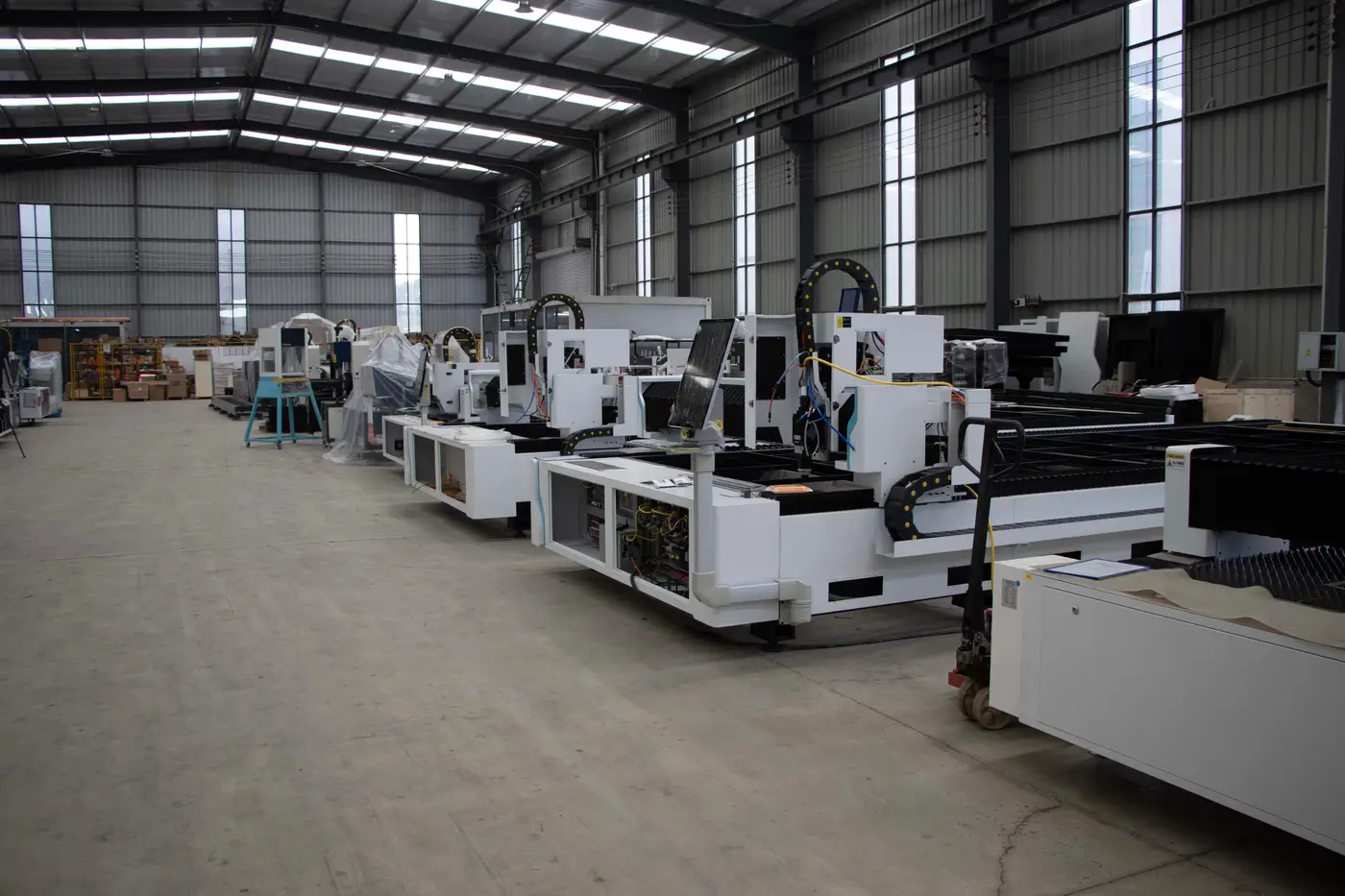
A procurement team pulls a list of plants under the same SIC code as their incumbent supplier and calls it a second-source shortlist. Six weeks later, a plant visit turns up a facility half the size, running a different process line, no rail spur, and a dock built for pallets instead of coils. The code matched. The plant didn't.
Same SIC code doesn't mean same plant
SIC and NAICS codes describe what a facility makes. They say nothing about how it makes it, or what it can physically handle. Two plants coded as "metal stamping" can differ by an order of magnitude in press tonnage, one running progressive dies on a 400-ton line, the other doing short runs on a 60-ton press in a converted warehouse. A directory search returns both. A comparable-plant screen rules one out before anyone books a flight.
The same gap shows up in chemical processing, where a single code covers everything from a batch reactor in a converted mill to a continuous-flow unit with dedicated tank farms and a barge dock. It shows up in electronics assembly too, where "same code" might mean a cleanroom SMT line in one building and a bench-assembly shop in another. The code is a starting filter, not a qualification.
What makes a plant comparable
For a dual-source search, comparable means the candidate site could plausibly run the same part or process the reference supplier runs today, at a scale that could absorb real volume if the primary ever has a bad quarter. That comes down to a few things a directory listing never shows.
Plant type means the process footprint behind the SIC code: a stamping shop, a forge, an injection molding floor, a CNC machine shop, a foundry. The building type and layout usually show that before a spec sheet does.
Scale matters on its own terms. A reference supplier running three shifts out of a 200,000-square-foot plant isn't matched by a 40,000-square-foot shop with one shift and a gravel lot instead of a loading yard. Scale shows up in footprint, number of dock doors, size of the lot that fills up at shift change, and whether there's open ground on site to add a line later.
Logistics access rounds it out. Rail spur or no rail spur. Proximity to a port or an interstate interchange. A truck court sized for the trailer count the reference supplier runs, not the one on a brochure. None of this comes from a capability questionnaire a supplier fills out about itself. It comes from looking at the site the way a plant visit would, from the roofline down to the yard.
Why this matters before the RFQ goes out
Every week spent qualifying a candidate that turns out to be the wrong scale, or missing the logistics access the part needs, is a week the dual-source project slips. Teams that start a second-source search from a directory or a trade-fair floor are working from a list sorted by SIC code and geography, with no sense of which entries are even in the right physical class as the incumbent. The qualification audits that follow end up doing double duty: testing fit and discovering it isn't there, instead of confirming fit the team already had reason to expect.
A shortlist built around physical resemblance to a known-good reference site changes where that audit budget goes. A team spends it confirming the handful of candidates that already look like plausible matches on plant type, scale, and logistics access, instead of spending it ruling out plants that never had a chance.
Sourcing Candidate Search works from the reference supplier's own site, satellite imagery showing what that plant looks like on the ground, and searches a target region for sites built the same way. The shortlist it returns pairs each candidate against the reference site so a sourcing team can see the physical resemblance before committing audit time to it.
If a second-source search is stalled on which directory entries deserve a closer look, that's the gap worth closing first.