November 9, 2026
Same plant type vs same production process: what has to match for a second source
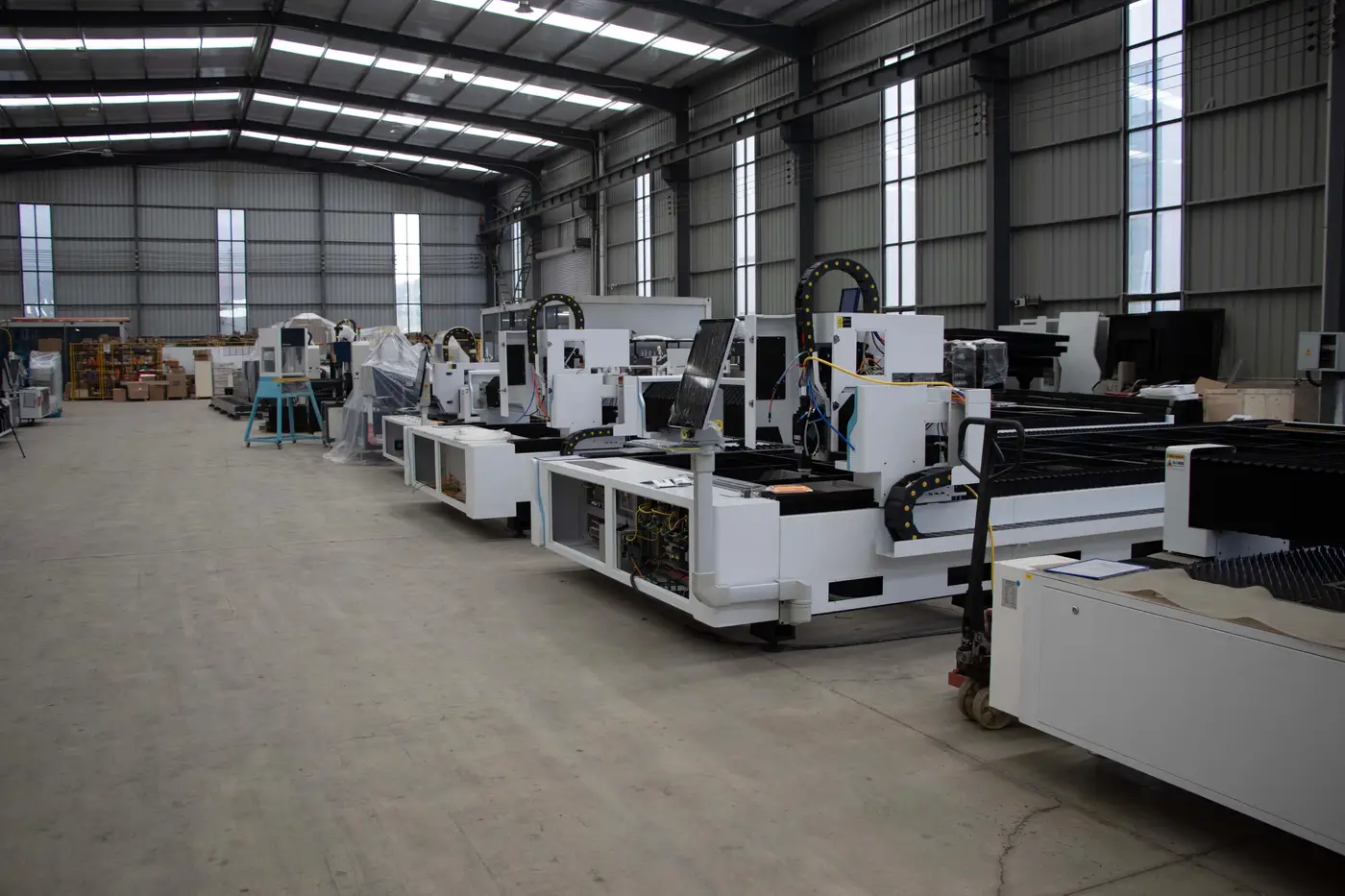
Every dual-source project starts with the same ask from the plant manager or the quality team: find us another supplier that makes the same part, the same way. "The same way" is doing a lot of work in that sentence, and the two halves of it, plant type and production process, don't always point at the same candidate.
A stamping plant and a stamping plant look alike on paper. Same NAICS code, same press tonnage range, same coil-fed layout. But if your reference supplier runs transfer dies and the candidate runs progressive dies with a separate blanking operation, you've matched the building and missed the process. The part might come off the line looking right and still carry different tolerances, different scrap rates, different changeover times. That gap is what trips up teams that shortlist by directory listing or by walking a trade-fair floor and eyeballing booths.
What plant type tells you
Plant type is the coarse filter. It gets you to the right category: foundry versus forge, injection molder versus blow molder, wet process versus dry process in a chemical plant. It's useful for ruling things out fast. A supplier running a batch process when your reference runs continuous flow is not a fit, full stop, no matter how close the address is or how similar the square footage looks.
But plant type stops short of telling you whether the candidate can actually replicate output. Two injection molders can share a building type and still differ in clamp tonnage, mold-change procedure, and resin handling, three variables that matter more to part consistency than whether they're both classified as plastics processors.
What has to match for process fit
Second source criteria that hold up under qualification tend to come down to a short list: equipment class, not just category but sub-type, like transfer press versus progressive. Tooling compatibility, or the cost to requalify tooling if it isn't compatible. In-line inspection method. And the material handling path from receiving to the line. If your reference supplier runs automated optical inspection at the press and the candidate relies on manual spot checks, that's not a paperwork difference. It shows up in your incoming inspection data six months in.
Logistics access belongs on this list too, even though it isn't strictly part of the production process. A candidate with the right press and the right tooling but no rail spur or no container yard within reach changes your freight math and your lead time, which changes whether the second source protects you when something disrupts the first.
Scale cuts both ways. A candidate running at a fraction of your reference supplier's volume may not have the headroom to absorb your allocation without becoming a bottleneck itself. One running far larger may treat your line as a rounding error and deprioritize it the first time its own capacity gets tight.
Facility fit is the first cut, not the only one
None of this makes facility fit irrelevant. It's the step that gets a list from two hundred candidates down to twenty worth a phone call. The mistake is treating it as the qualifying criterion instead of the screening one. A shortlist built purely on directory categories or trade-fair impressions skips the part where you check whether a candidate's site resembles your reference supplier's in scale, plant type, and logistics access before anyone schedules a plant tour.
That's the gap Sourcing Candidate Search is built to close: it takes your reference supplier's site and searches a target region for sites that physically resemble it in plant type, scale, and logistics access, then returns a ranked shortlist with the reference site shown next to each match. It doesn't replace your process audit. It gets you to the audit with a shorter, better list to start from.
If you're starting a dual-source search from scratch, that's the part worth fixing first.