November 16, 2026
Which plant to model when your reference supplier runs multiple sites
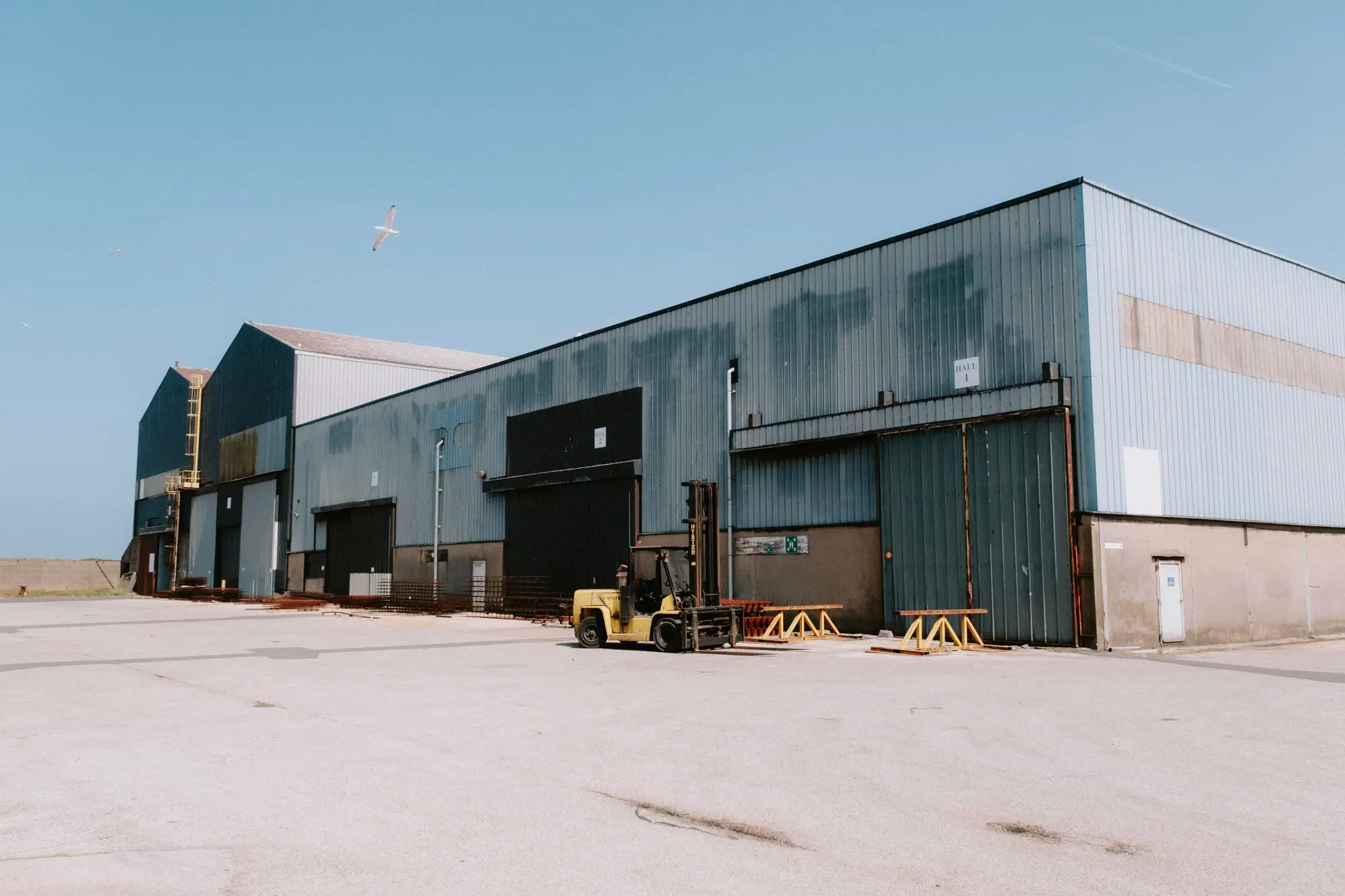
A supplier qualification file rarely lists one address. The supplier you've been buying from for six years might run a flagship plant that shows up in every capability deck, plus two or three smaller sites that fulfill different lines of your purchase order. When the dual-source mandate lands on your desk, the first decision isn't which region to search. It's which of that supplier's plants you're even trying to match.
Get this wrong and the whole exercise drifts. You end up benchmarking scale, process, and logistics access against a site that has nothing to do with the parts you buy.
Match the plant to the purchase order, not the brochure
Procurement decks tend to feature the supplier's biggest or newest facility, the one the sales team walks buyers through on a plant tour. That's not necessarily where your SKU comes from. Pull the shipping records, bills of lading, or the plant code on the PO line items and confirm which site produces the part you're trying to second-source. A tier-one automotive stamping supplier might run a showcase plant in one province and fulfill your stamping run out of an older site two states over. If you model the showcase plant, the candidate shortlist will skew toward facilities that look nothing like the one doing the work.
If your category spans multiple SKUs or product families made at different sites within the same supplier, you may be looking at more than one benchmark plant, not one dual-source search but two or three run in parallel.
Weigh process type and scale over headquarters status
Once you've identified the right plant, the attributes that matter for finding a second source are physical, not corporate. Process type (injection molding versus extrusion, wet versus dry processing, continuous versus batch), roughly the same footprint and building scale, and comparable access to rail, port, or highway freight. A supplier's "primary" site by revenue or headcount isn't automatically the right physical template if it's a different process type or ten times the scale of the line you buy from.
This is also where criticality of the part should factor in. If the component is a line-stopper, benchmark the exact plant that makes it, not a sister facility that happens to be closer to your target search region. Convenience is a weak substitute for physical fit when the thing you're trying to de-risk is a single point of failure.
When there's genuinely no single right site
Some multi-site suppliers split production in ways that don't map to one clean answer: raw material at one plant, finishing at another, final assembly at a third. In that case, decide what you're actually qualifying a second source to replace. If it's final assembly, that's your reference plant. If the whole chain is at risk, you're looking at a multi-step search across several reference sites, and it's worth saying so explicitly in your sourcing brief rather than quietly picking one and hoping it covers the gap.
Write the answer down before you start searching. "We're modeling Plant B in Monterrey because that's where the molded housings ship from" takes thirty seconds to document and saves a procurement team from re-litigating the choice three weeks into a shortlist review.
Once you've settled on the one plant that reflects what you buy, the next step is finding sites elsewhere that physically resemble it: same plant type, similar scale, comparable freight access. Sourcing Candidate Search runs that comparison against a target region and returns a ranked shortlist with your reference site shown next to each candidate, so the match is something you can see, not just infer from a capability statement.
If you've already identified which plant to model, that shortlist is the next thing worth building.