November 16, 2026
Field notes: two plants that matched on paper, nothing alike at the gate
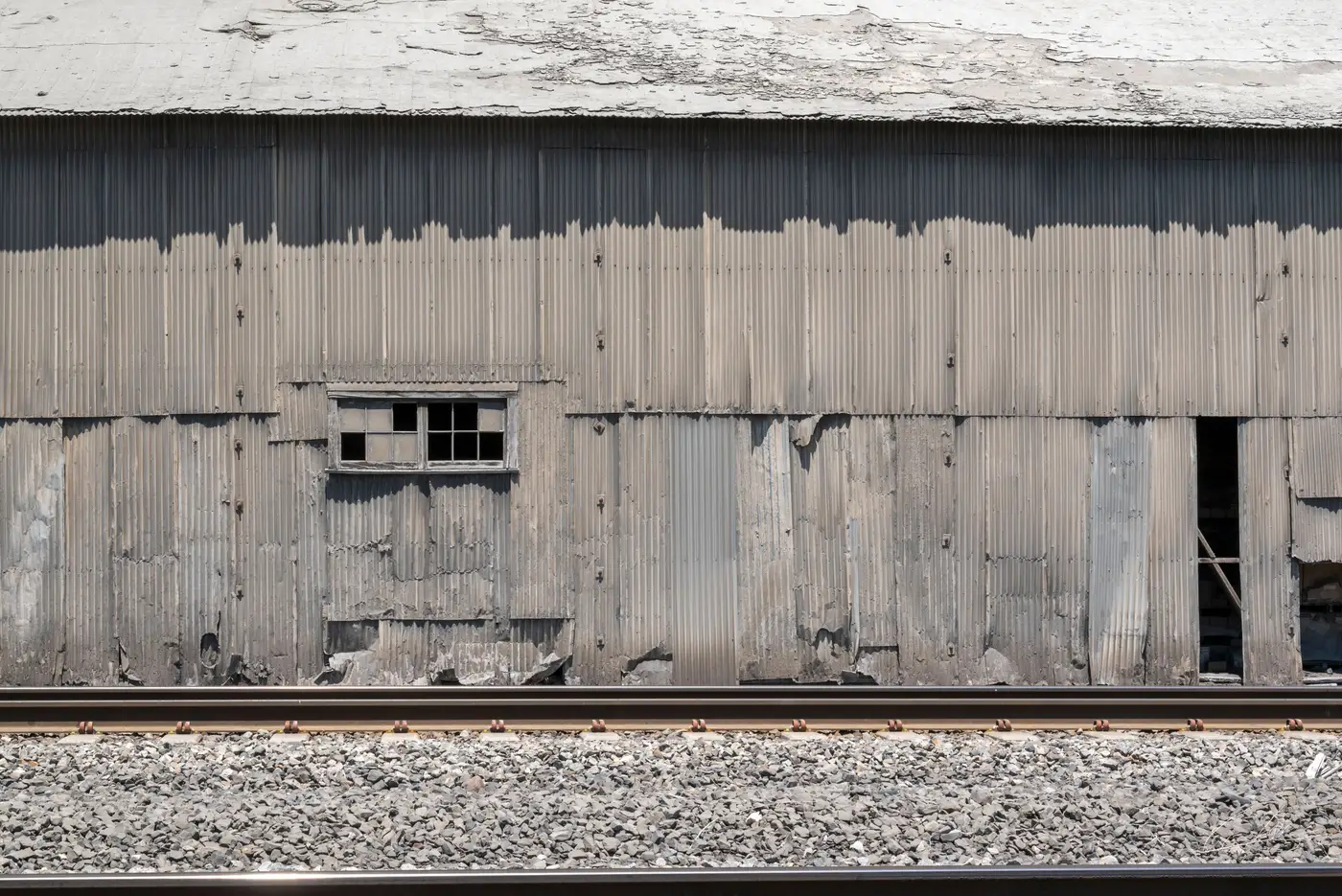
Two candidate plants landed on the same shortlist last quarter. Same building class, same rough square footage, both within a few kilometers of a container port, both with a rail spur running along the back fence. On paper they were close enough to be siblings. At the gate they were nothing alike, and the difference was the kind you only catch standing in the yard with a hard hat on.
The first site had the rail spur drawn in on the plot plan, but nobody had switched a car on it in years. Weeds through the ballast, a locked gate at the interchange, the kind of detail that doesn't show up in a footprint comparison because the spur is still physically there. It's just dead. The plant was running everything on truck, and the yard wasn't built for that volume. Trailers queued two deep along the access road during the shift change, backing up onto the public road for a stretch. The scale house had one lane, and that was the whole story.
The second site, maybe four kilometers away and a close match on every dimension that gets measured from above, had the opposite problem. Rail active, dock doors plentiful, but the lay-down area for finished goods was split across two non-adjacent lots connected by a public street. Every pallet that moved between them crossed traffic. Nobody puts that on a facility spec sheet either, because "two lots" and "one lot, divided" look identical in a footprint overlay.
This is the part of dual-sourcing that resists shortcuts. A plant's rooflines, its massing, its yard-to-building ratio, its proximity to a rail line or a port corridor: all of that is real signal, and it's the right place to start a search. It tells you which candidates are even worth a flight. But "worth a flight" and "ready to qualify" are two different thresholds, and the gap between them is exactly where a second-sourcing project burns its first month if the shortlist isn't built with that gap in mind.
The plants that fool you are rarely the ones that look nothing like your reference supplier. Those get filtered out fast, by anyone. The ones that cost you a trip are the close matches with one structural flaw that a satellite pass can see but a spreadsheet can't flag: a spur that's cosmetic, a yard that's split, an access road with one lane in and one lane out feeding a plant that ships forty loads a day. You need the overhead view to narrow a region down from two hundred candidates to a dozen. You still need boots on the gravel to find out which of the dozen actually run the way your reference plant runs.
A ranked shortlist changes the economics of that trip, when every candidate on it already resembles the reference site on the things a plant layout controls: footprint, logistics access, yard scale, the physical shape of the operation. That's what turns a scouting trip from "let's see what's out there" into "let's confirm these four." A search built around site-level resemblance to the supplier you already trust does that narrowing before anyone books a flight, which is the actual offer behind Sourcing Candidate Search.
The two plants from last quarter both stayed on the list after the site walk. The dead spur gets reactivated or it doesn't, and that's a commercial conversation, not a disqualifier. The split yard turned out to have a planned connector road in a permit filing nobody had pulled yet. Paper matches don't lie. They just don't tell you everything, and the trade's whole job is knowing which "everything" to go check in person.
If your next dual-source search needs a shortlist that starts closer to the gate than a directory ever gets you, that's the problem we built this for.