November 2, 2026
Field notes: the trade-fair floor where every booth looked like the right plant
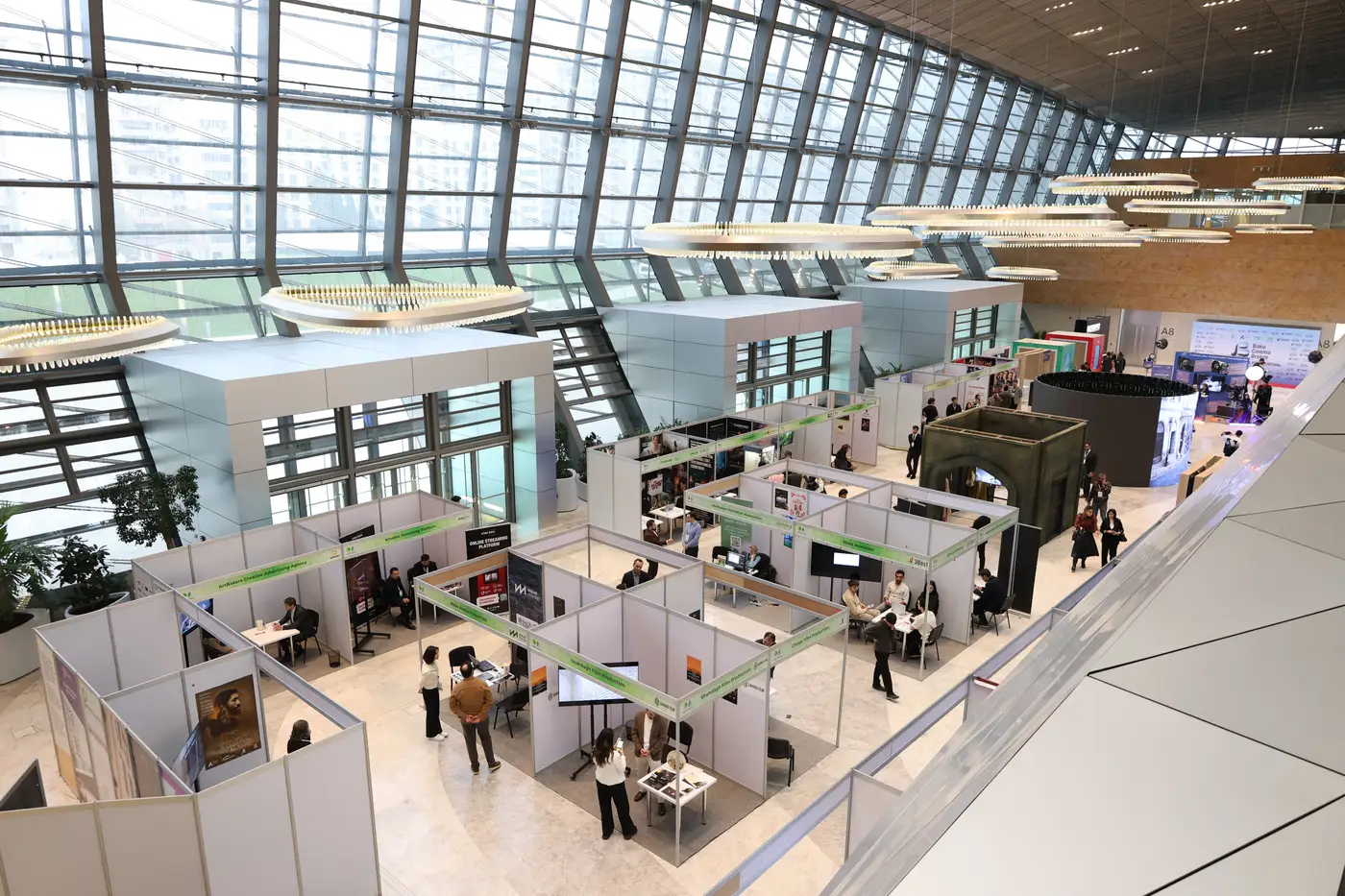
Three aisles into the show floor and I'd stopped reading banners. Precision stamping, tier-1 capable, vertically integrated: every tenth booth strung together some version of the same three phrases, and after a while they blur into wallpaper. You start reading the handshake instead, the rep's confidence, whether they know their own cycle times without checking a tablet.
I was there to scope a second source for a stamping supplier we'd used for six years. Good incumbent, tight tolerances, a plant layout I could walk blind. The brief from procurement was simple on paper: find two or three candidates with a similar footprint, similar press tonnage, similar dock access, so if the incumbent has a fire, a flood, a labor action, we're not starting qualification from zero. Simple on paper. Hard on a floor built for first impressions.
A booth tells you what a company wants you to see. A 10x20 space with a part sample under glass and an account manager who's worked the territory for eight months. What it doesn't tell you is whether the plant behind that booth has four 400-ton presses or one 800-ton press doing the work of four, whether the yard has rail spur access or just a gravel lot for trucks, whether the facility sits on a single floor you can walk end to end or sprawls across three buildings connected by a covered walkway that adds forty minutes to every internal transfer. None of that fits on a banner. Most of it doesn't fit in a 15-minute conversation either, not honestly.
I collected eleven business cards that first day. By the third day I had a stack of maybe thirty, and a legal pad full of notes that all started to read the same: "says comparable scale," "claims similar tooling," "sounds right, confirm capacity." That word, claims, showed up a lot. Not because anyone was lying to me. Trade-fair reps mostly believe what they're telling you. It's that a booth genuinely can't convey plant geometry, and plant geometry is most of what determines whether a second source behaves like your first one when you need it to.
The old method, and it's still the default method at most sourcing desks, is to work the floor, build a long list from gut instinct and brochure claims, then burn two months on qualification visits to find out which four of your fifteen candidates were ever in the right weight class. You learn more in the first ten minutes of a plant walk than in three days of booth conversations, but you can only walk so many plants before a quarter is gone.
What would have saved me that week was knowing, before I ever got on a plane to vet anyone, which candidates in the region had a footprint that resembled our reference supplier's plant: similar scale, comparable logistics access, the same kind of facility type. A shortlist built from the physical site itself, independent of banners and handshakes, turns three days of floor conversations into a list of candidates worth the plane ticket. That's the gap this site is built to close.
Next year I'm going to the show anyway. The relationships still matter, and there's no substitute for watching someone talk about their own line without a script. But I'm not going to let the floor do the first pass of my shortlist again. That part belongs to something that can actually see the plant, not just the booth in front of it.
If you're staring down a dual-source search and dreading another round of trade-fair small talk, start from the reference site you already trust instead of a banner.