October 19, 2026
Field notes: the candidate that matched everything except the loading bays
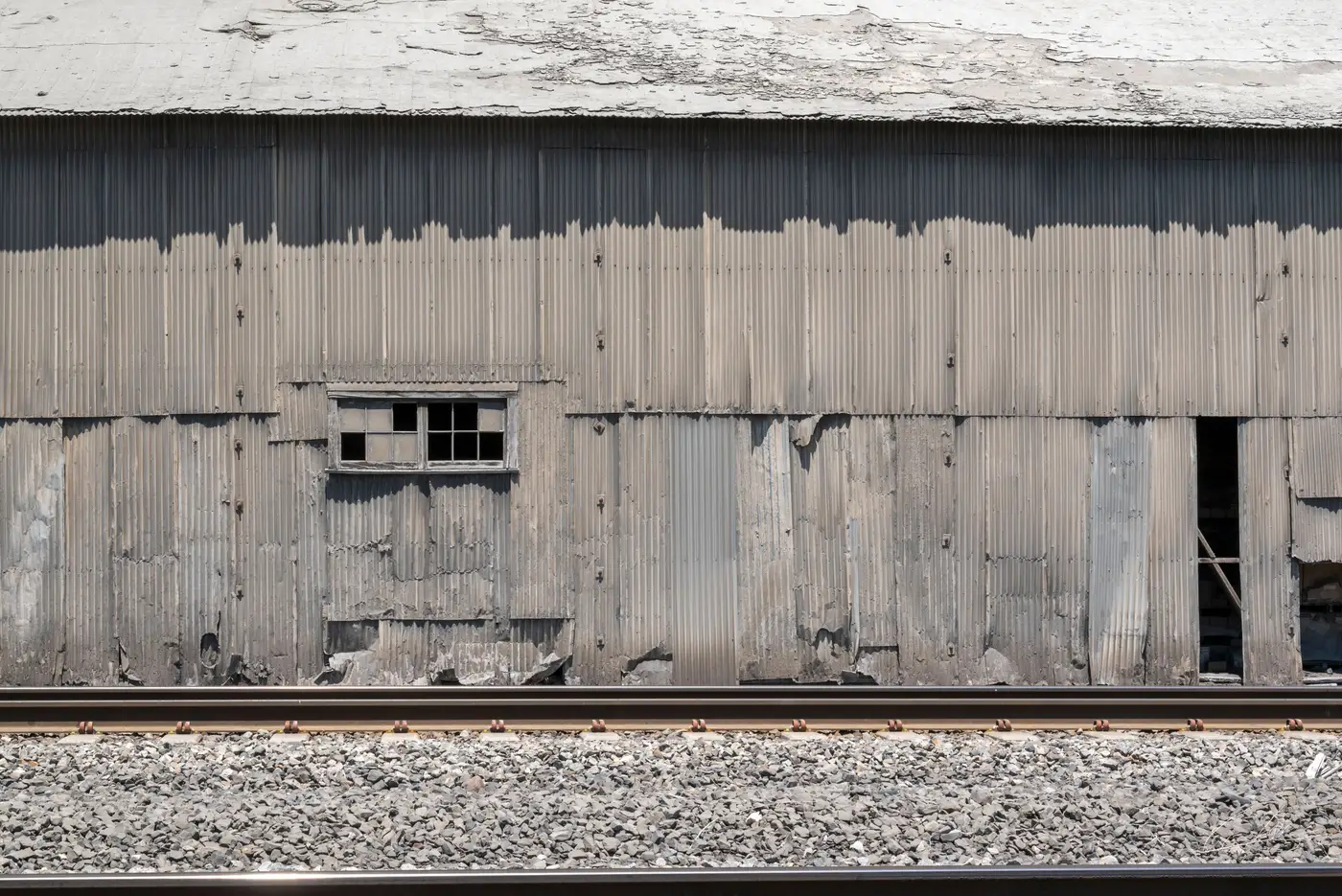
We'd been circling a candidate site in the Midlands for about two weeks before someone finally said it out loud: "This one's almost too good."
Same building footprint as the reference plant, give or take a few hundred square meters. Same roof pitch, same bay spacing, same general era of construction, which tells you something about how the site was likely laid out inside. Rail spur within a sensible distance. Grid connection that looked adequate on paper. The kind of match that makes a sourcing team start drafting the shortlist memo before the site visit is even booked.
Then someone pulled up the yard.
The reference supplier runs twelve loading bays on a saw-tooth configuration, angled for one-way truck flow, with enough apron depth that a 53-foot trailer can queue without blocking the lane behind it. The candidate had eight bays, flat-faced, with a turning radius that would work fine for box trucks and would be a daily argument for anything bigger. It was the same plant type at roughly the same scale, but it had a completely different relationship to the road.
This is the part of second-source screening that doesn't show up in a capability spreadsheet. A supplier questionnaire will tell you square footage, headcount, certifications, maybe throughput if you're lucky enough to get a straight answer. It will not tell you that the loading yard was designed for a different freight pattern, or that the apron floods a few times a year and nobody's fixed the drainage because it's never been worth it to the current tenant. You find that out by looking at the site the way a logistics planner would look at it, from above, at scale, next to the plant you're trying to match.
What made this one sting a little is that everything else really did line up. Building scale, plant type, even the general industrial character of the surrounding parcel. On a directory listing or a trade-fair booth, this candidate would have sailed through. It had the right SIC code, the right square footage bracket, the right regional pitch about labor availability. None of that paperwork mentions bay count or apron depth, because none of it is built to answer "can this site actually move freight the way our reference plant moves freight."
We've started treating loading bay configuration as close to a hard gate rather than a nice-to-have, for the simple reason that it's expensive to fix and cheap to check before you commit. A plant with the wrong square footage can sometimes grow into the role. A plant with the wrong truck access is going to fight you on inbound logistics every single week, and that's not a thing a facilities team patches on a Tuesday.
The other thing worth noting, because it's easy to miss when you're relieved to find any plausible match: physical resemblance isn't a single score. It's a stack of separate questions, and a candidate can answer most of them well and still fail the one that governs day-to-day operations. Roofline and footprint get you a shortlist. Loading access, apron geometry, and the way trucks move through the yard are what separate a workable second source from a site that looks right in a satellite thumbnail and wrong in person.
We ended up keeping that candidate on the long list, flagged, with a note to ask directly about yard reconfiguration costs before the next round. Not a disqualification. Just a reminder that "matches on every count" is a claim worth testing count by count, not taking on faith because the footprint lined up.
That's the whole reason we run reference-site comparisons before we run site visits now. Sourcing Candidate Search builds the shortlist by matching plant type, scale, and logistics access against the supplier you already trust, so the bay-count surprise shows up on the ranked list instead of during the walkthrough.
If your next second-source search starts with a resemblance check instead of a cold directory, you'll catch the loading-bay problem before it catches you.